Adraa Agriculture College Practical Agricultural Education • Skills • Livelihoods
Adraa Agriculture College
Safeline Foundation

From Education to Livelihoods

A brief update on former students supported through agricultural education at Adraa Agriculture College and their journeys into employment, enterprise, further education and community contribution.

Alumni tracer evidence

The report highlights skills application, employment, enterprise development, income, confidence and continuing challenges.

Employment
Graduates progressing into agriculture-related work and other employment.
Enterprise
Poultry, crop farming, piggery and other livelihood activities.
Practical Skills
Production, livestock, agribusiness, marketing and entrepreneurship.
Community
Graduates applying and sharing acquired knowledge within their communities.
Alumni tracer study

What the report shows

The following sections retain the substance of the supplied Safeline Foundation report, presented in a web-friendly format.

01

Introduction

Adraa Agriculture College (AAC), with support from development partners including the Safeline Foundation, has provided opportunities for young people to access practical agricultural education and develop skills for employment, self-employment, and improved household livelihoods.

AAC conducts regular alumni tracer studies. The alumni tracer study provides an opportunity to assess how former students are progressing after completing their training. Feedback from the alumni demonstrates that the training has contributed to skills acquisition, employment, enterprise development, improved productivity, and increased confidence among graduates. At the same time, graduates continue to face challenges, particularly limited access to capital, employment opportunities, land, and markets.

02

Current Status of Supported Graduates

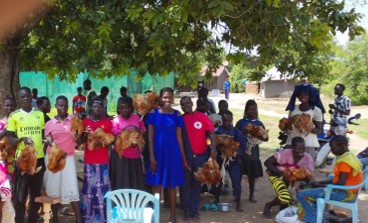
The tracer information shows that supported former students are pursuing different livelihood pathways. Some have secured full-time or part-time employment, while others have established their own agricultural enterprises or are continuing with further education.

Several graduates are directly applying their AAC training in agriculture-related employment. For example, graduates are working as extension officers, agronomists, poultry staff, farm managers, facilitators, and agricultural workers. Others are using their training through poultry production, crop farming, piggery, and other enterprises.

The majority of the reported graduates indicated that their current activities are very related to the training received at AAC, demonstrating a strong connection between the educational support provided and subsequent livelihood activities.

03

Skills Application and Enterprise Development

A major achievement among the alumni is the continued application of practical agricultural skills. Graduates reported using skills in crop production, livestock management, poultry production, agribusiness management, record-keeping, marketing, value addition, and entrepreneurship.

Several former students have established or maintained enterprises, particularly in poultry, crop farming, and piggery. Graduates also reported adopting improved agricultural practices, including improved breeds and seeds, soil conservation, irrigation, organic farming, integrated pest management, farm record-keeping, and climate-smart agriculture.

These outcomes indicate that the investment in practical agricultural education is contributing to the development of graduates who are not only seeking employment but are also creating their own livelihood opportunities.

04

Employment and Livelihood Outcomes

The alumni experiences demonstrate encouraging progress in the transition from training to employment. Some graduates secured employment within less than three months of completing their training, while others took between three and twelve months to find opportunities.

For example, graduates are currently employed by organizations such as community-based organizations, agricultural companies, livestock businesses, NGOs, and other private-sector employers. Others have become self-employed farmers and enterprise managers.

Importantly, graduates reported that their AAC training has contributed to improvements in productivity and household income. Several respondents reported significant increases in household income, while others reported improvements in food security and their ability to meet household needs.

05

Personal Transformation and Confidence

Beyond employment and income, the support has contributed to important personal changes among former students. Graduates describe gaining confidence, practical knowledge, and the ability to apply their skills in real-life situations.

One graduate reflected that AAC training enabled her to “believe in myself again” after losing hope following completion of O'Level. She further reported that the skills acquired at AAC are now being applied in the workplace, enabling her to earn a monthly salary, meet her basic needs, and support her family. She also expressed appreciation to her sponsor for making it possible for her to pursue the course.

This demonstrates that the value of educational support extends beyond obtaining a certificate. For some beneficiaries, it has helped restore confidence, strengthen independence, and create a pathway toward a more secure livelihood.

06

Challenges Faced by Graduates

Despite the positive progress, the tracer findings identify several barriers that continue to affect graduates' ability to maximise the benefits of their training.

  • Limited start-up capital for establishing agricultural enterprises
  • Limited access to employment opportunities
  • Limited connections between graduates and potential employers
  • High production costs
  • Limited access to land for agricultural production
  • Market access challenges
  • Disease outbreaks and climate-related challenges
  • Financial constraints affecting progression to higher levels of education

These challenges are particularly important for young graduates who have technical skills but lack the financial resources required to establish enterprises. Some alumni specifically recommended stronger linkages between AAC graduates and potential employers and greater post-training support.

07

Recommendations for Continued Support

1. Post-training start-up support
Provide modest start-up capital, productive assets, or enterprise packages to enable graduates to apply their skills immediately after training.
2. Enterprise mentorship
Provide follow-up technical and business mentorship to graduates establishing agricultural enterprises.
3. Practical training
Continue strengthening hands-on training and demonstration-based learning, which graduates consistently identify as among the most valuable aspects of their AAC experience.
4. Further education
Explore scholarship or bursary opportunities for high-performing graduates who wish to progress from certificate to diploma and higher levels.
5. Alumni engagement
Establish regular alumni follow-up and networking activities so that graduates can access opportunities, share experiences, and continue receiving technical support.
08

Conclusion

The available alumni evidence indicates that the investment made in supporting students to access agricultural training is generating meaningful outcomes. Former students are progressing into employment, self-employment, agricultural enterprise development and further education, while applying the practical skills acquired at AAC in their workplaces and communities.

The stories of graduates such as Adania, Betty and Flavia illustrate different pathways through which educational support can translate into livelihood improvement—from gaining access to education, to acquiring practical skills, securing employment or establishing enterprises, and ultimately contributing to household wellbeing.

However, the tracer study also demonstrates that education is the foundation rather than the end of the livelihood journey. Continued support through capital, employment linkages, mentorship, practical follow-up, and opportunities for further education would help graduates convert their acquired skills into stronger and more sustainable livelihoods.

Overall, Safeline Foundation's support can be viewed as an investment not only in students' education, but in their future capacity to work, create enterprises, support their families and contribute to their communities.

Graduate stories

Journeys of transformation

Individual stories in the supplied report illustrate different pathways from education to practical skills, employment, enterprise and improved household wellbeing.

Madi-Okollo District

Adania’s Journey From Education to a Better Livelihood

Adania Everlyn Simon
“The training aspects that I learned have really changed my life, and it has also opened me a way of training other community members.”

Adania received school-fees support from Safeline Foundation, enabling her to join AAC and complete her Certificate in National Certificate in Agricultural Production (NCAP) in 2025.

At AAC, she gained practical skills in crop production, livestock management, poultry production, beekeeping, record-keeping, marketing, value addition, leadership, and entrepreneurship. After completing her studies, she began applying what she learned through poultry production and goat rearing, alongside practices such as irrigation, farm records, and value addition.

She reported inadequate capital and market-access challenges. Later capital support from Safeline Foundation helped strengthen her enterprise and apply her AAC knowledge to real activities.

Adania combines her agricultural activities with part-time employment at CEFORD, where she works as an artisan. She reported a monthly income of sh 800,000 and said the changes have helped improve food security and general living conditions.

She also trains other community members, extending the benefit of the knowledge and skills she acquired at AAC.

Adania Everlyn Simon in focus
Adania Everlyn Simon during her agricultural livelihood activities Adania participating in agricultural enterprise activities Adania engaging with community members
Adania applying the agricultural skills acquired at AAC.
Rhino Camp Refugee Settlement

Betty’s Journey From Lost Hope to Meaningful Employment

Betty Nyoka Festo Innocent
“I started to believe in myself again even after losing hope while at home after completing my O’Level in the refugee settlement.”

Betty received support from Safe Line Foundation to pursue a Certificate in National Certificate in Agricultural Production (NCAP) at AAC, completing her training in 2024.

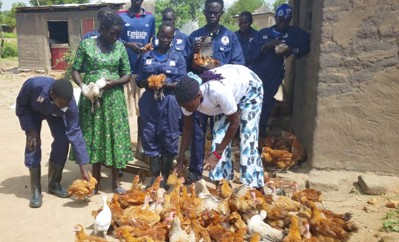
She particularly valued AAC’s practical and demonstration-based training and developed skills in poultry production, crop farming, livestock management, organic farming, soil conservation, and farm record-keeping.

After training, it took her 7–12 months to secure her first employment opportunity. She reported limited connections, insufficient capital to start an agricultural enterprise, and limited access to land as challenges.

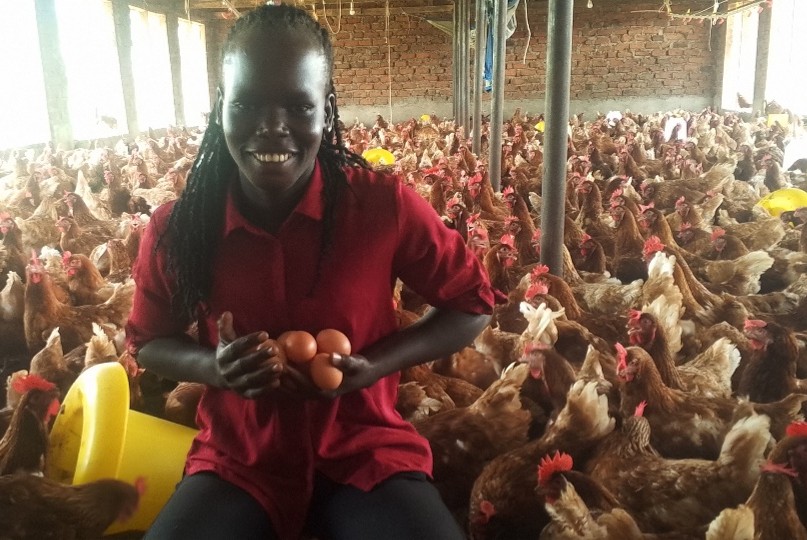
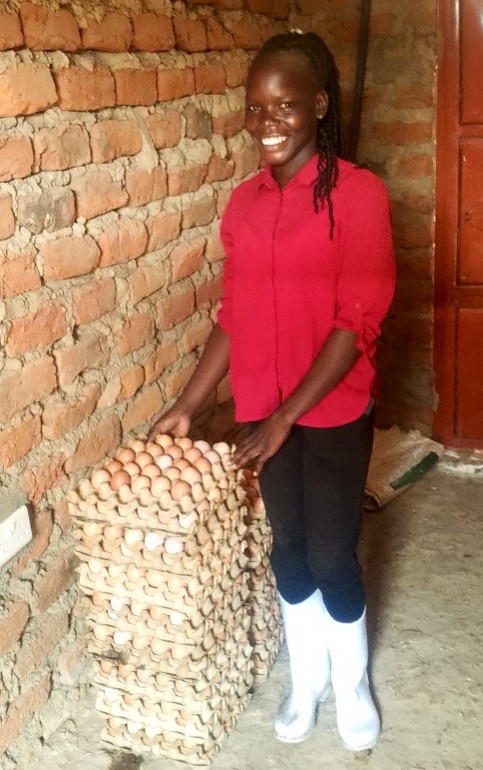
Betty eventually secured full-time employment with C’est La Vie Livestock Hub Company as a Chicken House Staff member in the agriculture sector. She reported earning between UGX 500,000 and 700,000 per month.

She said the income enables her to meet her basic needs and support her family, and described the training as giving her a pathway toward employment and renewed confidence.

Betty Nyoka Festo Innocent in focus
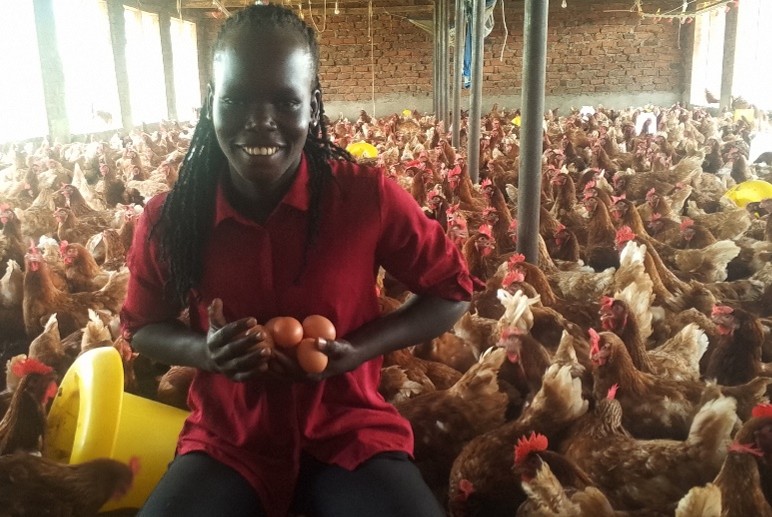
Betty Nyoka Festo Innocent during her agricultural training journey Betty applying agricultural skills Betty at her workplace or agricultural activity
Betty's journey from agricultural training to employment.
Continuing the journey

Education is the foundation — continued support strengthens the pathway.

The report identifies capital, employment linkages, mentorship, practical follow-up, alumni engagement and further-education opportunities as areas that could help graduates build stronger and more sustainable livelihoods.